The Body’s Quiet Signals – How Does a Lack of Movement Make Itself Known?
Just 30 minutes of moderate physical activity each day can significantly improve health and wellbeing – a finding consistently supported by World Health Organization (WHO) guidelines. Yet data from a 2025 report by the Polish Ministry of Sport and Tourism shows that only one in five Poles manages to maintain that level of consistency. So what happens to the body when physical activity falls by the wayside? What warning signs does it send?
The Body Speaks First
The effects of inactivity don’t appear overnight – they begin quietly. Small things we brush off because they seem so ordinary and unremarkable: morning stiffness, an afternoon energy slump, trouble focusing, irritability. After all, life moves quickly, work is demanding, and there are always ambitions, children, projects, and a never-ending list of things to get done on time.
Fatigue That Sleep Won’t Fix
One of the first signs of reduced activity is fatigue – and it’s a paradoxical one: the less we move, the less energy we have. This isn’t a question of motivation; it’s a matter of how the cardiovascular system, metabolism, and stress regulation actually work.
Movement improves blood flow, tissue oxygenation, and muscle function (including deep stabilising muscles), while sending the nervous system a clear signal that the body is operating normally. When we spend most of the day sitting, the body shifts into energy conservation mode – and in biology, conservation doesn’t mean comfort; it means survival readiness. The result? Sleep can be long but shallow. We wake up feeling like we’ve only recharged to 50%. In practice, it often plays out like this: you get up, push through the morning, and then around 2 p.m., you start sliding mentally downhill.
A Nervous System on a Short Leash
This lack of movement engages with our mental state faster than we tend to admit. Low mood, heightened reactivity, difficulty concentrating, irritability – these aren’t always the result of ‘work stress’. Often, they’re stress with nowhere to go. Movement acts as a regulator: it helps bring down tension, restores a sense of control, and supports neurochemistry (including the mechanisms behind mood and reward). Without it, the nervous system can get stuck in a state of constant vigilance: we tense up more easily, wind down with more difficulty, and become overwhelmed by stimuli more quickly. That’s why some people say ‘I don’t have the energy to exercise, I’m too tired’ – and then, after introducing even moderate activity, find that the tiredness eases. Our biology has a way of working against us.
Stiffness That Becomes Background Noise
Neck tension, tight hips, pressure in the lower back – these are the classic hallmarks of a sedentary lifestyle. The issue isn’t only that muscles grow weaker; it’s that the body adapts to one dominant position. When the hips are flexed for most of the day and the spine is held in a similar position, the muscle and fascia system starts treating this as its new normal. Before long, another kind of normal sets in too: standing up from a chair feeling like a penknife that’s been folded shut for too long. Pain can also be deceptive. At first, it’s a warning. Over time, if ignored, it becomes background noise – part of the everyday landscape. And when something becomes background noise, we stop responding to it.
Breathing More Shallowly Than You Realise
One of the most underappreciated signs of inactivity is breathing. A sedentary lifestyle promotes shallow, upper-chest breathing. This might not seem like a problem – until you start connecting the dots: poorer recovery, heightened tension, more frequent headaches, difficulty concentrating. Movement restores the natural action of the diaphragm, opens up the chest, improves exercise tolerance, and – somewhat counterintuitively – helps calm the mind. That’s why so many people come back from a short walk breathing more deeply, thinking more clearly, and making better decisions.
Resistance to Resilience
When movement is missing, the body struggles to handle strain of all kinds – whether that’s fighting off infections or managing psychological overload. Physical activity supports immune function, has an anti-inflammatory effect, and improves sleep quality – and sleep is one of the foundational pillars of immune health. In practice, a lack of movement often looks like you are ‘perpetually under the weather’: a cold here, a sore throat there, a migraine somewhere in between, and a general sense of low-grade unwellness that drags on for weeks. There are, of course, many possible causes – but movement is one of the simplest actions that helps the body find its way back to balance.
Metabolism: Quieter, Slower, Less Flexible
This isn’t purely about weight – that framing is too reductive and often unfair. A better concept is metabolic flexibility: the body’s ability to manage energy efficiently. Inactivity reduces that flexibility. Muscle mass declines (and muscles are a key driver of metabolism), susceptibility to blood sugar fluctuations increases, and maintaining stable energy levels throughout the day becomes harder. This, in turn, affects appetite, mood, and the ability to get things done.
Inactivity Isn’t Laziness
The most important point: a lack of movement is not a character flaw. It’s an environmental one. Desk jobs, online meetings, commuting, grocery delivery, no spare time – the modern system has systematically removed activity from daily life, which is why the best strategy isn’t ‘I’ll start on Monday’, but rather ‘I’ll weave movement into my day’. It doesn’t have to be a high-intensity workout. For many people, the real turning point comes from adjusting expectations: treating movement as basic life hygiene, not as a transformation project.
Getting Started – It’s Not as Hard as It Seems
There’s no single formula, but there are straightforward principles that work precisely because they’re realistic for almost anyone:
- A daily walk as the foundation of your activity (even 20–30 minutes).
- Movement to break up sitting: 3–5 minutes every hour (stairs, a short walk, a few mobility exercises).
- 2–3 short sessions per week that strengthen the body (strength or functional training), because muscle is a long-term investment.
- Treating movement like a meeting – fitness classes scheduled in the calendar, not left to ‘whenever there’s time’.
First Steps – No Big Outlay Required
If you feel like you’re not doing the right things at the gym, the best starting point is a single session with a personal trainer. Not to be pushed to exhaustion or judged – but to get the fundamentals in order: technique, exercise selection, progression, and a plan tailored to your goal (fat loss, muscle gain, fitness). It’s the fastest way to reach a baseline where you know what you’re doing, why you’re doing it, and can trust that you’re heading in the right direction.
At Xtreme Fitness Gyms, you can test this without any risk – your first training session is always free. And until the end of January, there’s a special promotion on a package of 4 personal training sessions at an exceptional price (available in-club). It’s a good opportunity if you want to learn the proper techniques, get a plan built around your goal, and finally feel like you have a clear path forward instead of just doing random exercises. For details, just stop by the front desk – no lifelong commitment to fitness required.
A Ready-Made Solution – 10X Training
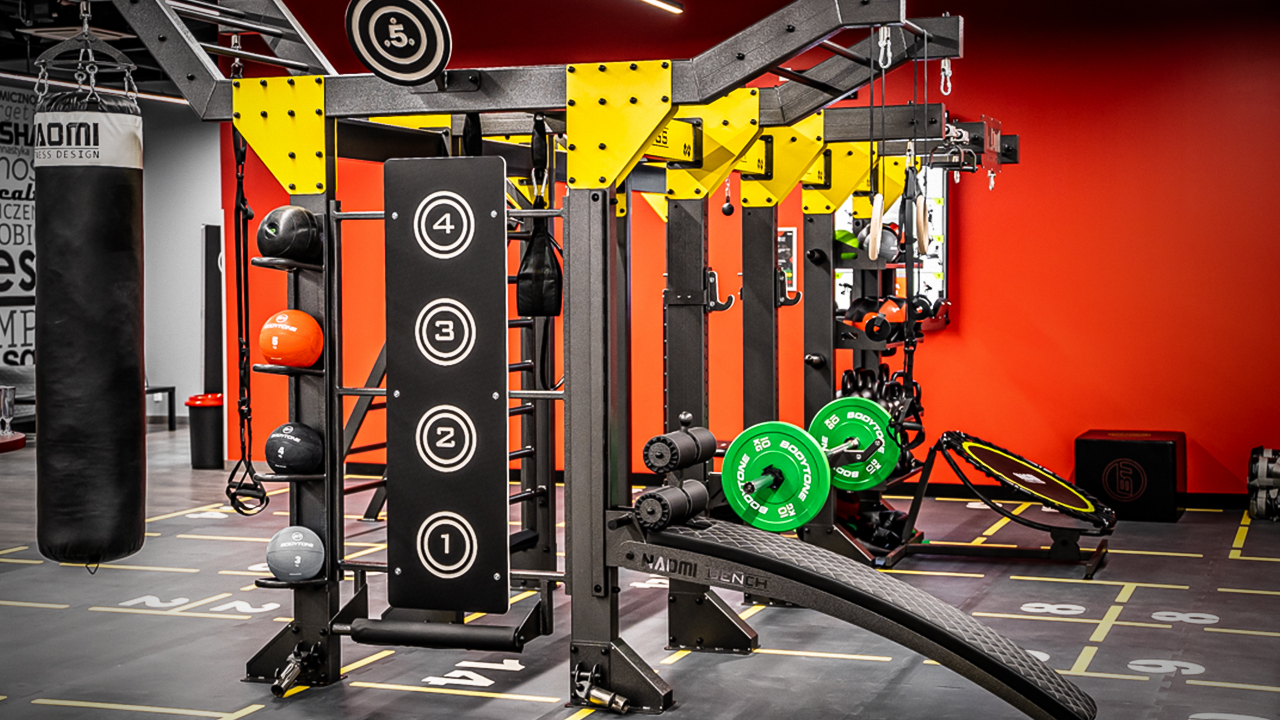
Xtreme Fitness Gyms has developed a response to the need for regular physical activity, in line with WHO recommendations. The in-house 10X Training programme – combining metabolic training with functional exercise – is the most straightforward solution available. It takes place in a dedicated training zone with an instructional screen that guides you step-by-step through a 30-minute workout. It’s a flexible approach that works equally well for beginners and those returning to exercise, as well as more advanced users. 10X Training delivers real improvements in how you feel and how you move day to day. It’s the ideal starting point for turning good habits into everyday practice.
The Body Speaks First – Learn to Listen
The body tends to give us small signals: poor sleep, tension, low energy, less patience, more pain from seemingly nowhere. In a culture that prizes productivity, it’s easy to tune them out. But in the long run, these signals are the most reliable indicators that something needs attention. Movement doesn’t need to be radical – it needs to be regular. It doesn’t need to be heroic – it needs to make sense. And if the body sends its signals first, that’s actually a good thing – it gives us the chance to respond before the cost of neglect becomes serious. The trouble is, the body doesn’t work to deadlines. But it does understand physiology. And when it’s missing movement, it starts sending signals earlier than we’re likely to notice the consequences in blood test results, immune function, or mental health. That’s the good news: many of these signals are reversible. The bad news: if we ignore them, the body shifts from warning mode into damage mode.